
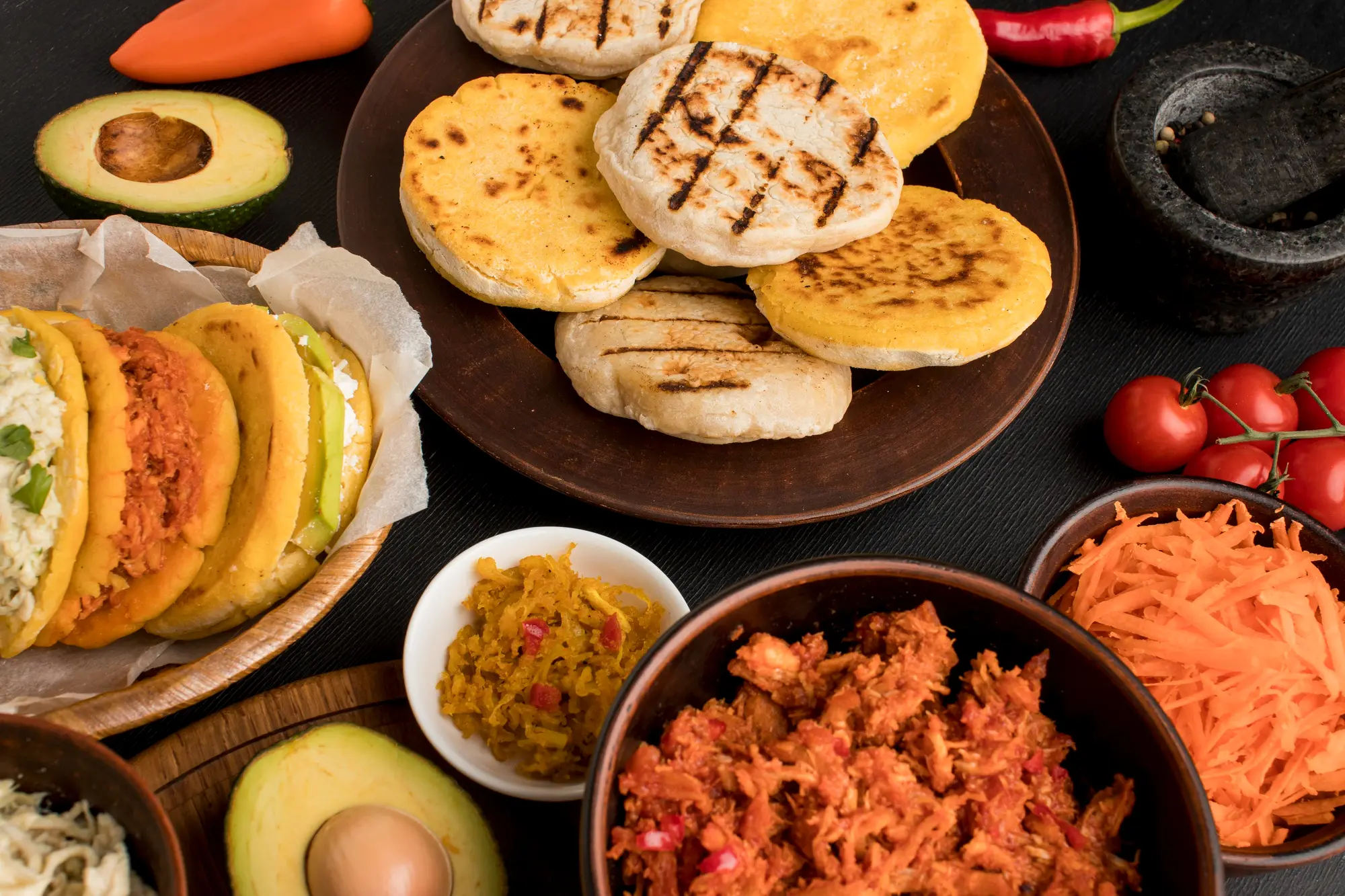
Walk into most “Colombian restaurants” in Chicago, Indianapolis, or Milwaukee and order a bandeja paisa.
The beans taste… off. The arepa is dense and flavorless. The chorizo is suspiciously similar to what you’d get at a Mexican restaurant down the street.
And if your grandmother from Medellín took one bite? She’d walk out.
This isn’t an attack. It’s a reality check. Because here’s the uncomfortable truth: Most Colombian restaurants in the Midwest aren’t serving Colombian food. They’re serving what American distributors think Colombian food is.
The Problem Starts with Your Distributor
You didn’t set out to run a fake Colombian restaurant. You had a dream: Bring the flavors of home to the Midwest. Serve food that makes Colombian families feel nostalgic and introduces Americans to real Colombian cuisine.
Then reality hit.
You called Sysco. US Foods. The big distributors everyone uses. You asked for Colombian products.
What you got:
- “Arepas” made by a company in Texas that’s never seen Bogotá
- “Chorizo” that tastes like Italian sausage with paprika
- “Yuca” shipped from Asia that turns to mush when you fry it
- “Plantains” picked so green they never ripen properly
The sales rep promised everything was “authentic Latin food.” What they meant was: “We stuck ‘Latin’ on the label and hope you don’t notice.”
Why This Kills Your Business
You might think: “Close enough. Americans won’t know the difference.”
But Colombians will.
And they’re your bread and butter. The family that drives 30 minutes every Sunday for bandeja paisa. The construction worker who stops by every Friday for a quick almuerzo. The college student who’s homesick and just wants food that tastes like mamá makes it.
One bad meal and they’re gone. They’ll drive to the Colombian spot 45 minutes away instead. Because “close enough” isn’t enough when you’re paying $15-20 for memories of home.
The Authenticity Test
Here’s how to know if you’re serving real Colombian food or generic “Latin” food:
Test 1: The Arepa Real Colombian arepa is slightly crispy outside, soft inside, with a subtle corn sweetness. If yours tastes like cardboard or has the texture of Play-Doh, it’s not Colombian—it’s whatever your distributor had in stock.
Test 2: The Yuca Real yuca (from South America) is creamy when boiled, crispy when fried, with natural sweetness. Asian cassava is watery, bland, and falls apart. Your customers taste the difference even if they can’t name it.
Test 3: The Fruit Order a lulada or maracuyá juice. If it tastes like generic tropical punch instead of making you feel like you’re in Cali? That’s artificial flavoring, not real fruit pulp.
Test 4: The Chorizo Colombian chorizo is different from Mexican, Spanish, or God forbid, the Italian sausage some distributors try to pass off. If a Colombian regular orders it once and never again? You failed the test.
How to Fix It (Without Starting Over)
You don’t need to throw out everything. But you do need to find suppliers who actually understand the difference.
What to look for:
1. Distributors who are actually Colombian. Not corporations with a “Latin foods division.” People who eat this food themselves and would be embarrassed to sell you garbage.
2. Products sourced from Colombia or authentic South American suppliers. Not “made in USA by people who Googled Colombian food.”
3. Suppliers who ask questions. When you order yuca, do they ask “para freír o para sancocho?” If not, they don’t actually know what they’re selling you.
The Bottom Line
Your restaurant’s name says “Colombian.” Your menu says “auténtico.” Your prices reflect quality cuisine.
But if your ingredients come from the same place as the generic “Mexican” restaurant next door, you’re lying to your customers.
They might not say it to your face. But they’ll say it to their friends, their family, and on Google reviews.
Want to know if your current products pass the authenticity test? The Londoño family has been importing real Colombian products for 30 years. We know the difference because we eat it ourselves.



Add comment